

Lancaster Harley-Davidson® - Which bike delivers better wind protection and screen tech for Lancaster, PA rides — 2026 Harley-Davidson® Road Glide® or 2026 BMW K 1600 B?
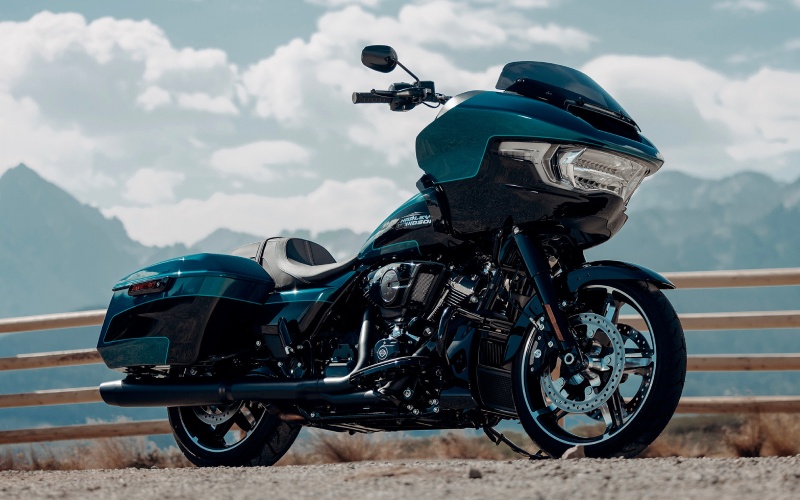
When riders ask about wind protection and cockpit tech, the conversation quickly turns to fairing design and display usability. The 2026 Harley-Davidson® Road Glide® pairs a frame-mounted Sharknose fairing with a 12.3-inch Skyline™ OS display, while the 2026 BMW K 1600 B combines a sweeping front cowl with a 10.25-inch TFT and BMW’s connected navigation. Both shield you from the elements, but they do it differently—and those differences show up every mile across Lancaster County’s open stretches and rolling two-lanes.
Start with the fairing. The Road Glide® fairing is frame-mounted—so wind loads and passing-truck turbulence work on the chassis, not your handlebars. That subtle separation makes the steering feel calmer at 50–70 mph, especially when riding across farm valleys where crosswinds tend to swirl. Add in the revised aero for 2026, and helmet buffeting is impressively controlled for a broad range of rider heights. The BMW K 1600 B brings generous frontal coverage and an electrically adjustable windscreen, with smooth laminar flow at speed. It’s plush and quiet, but the Harley-Davidson® setup feels more settled through gusts where precise line-holding matters on Pennsylvania backroads.
Screen size and interface clarity
A fairing is only half the story; your display is the cockpit’s “brain.” The Road Glide® uses a 12.3-inch full-color TFT with Skyline™ OS, purpose-built to keep ride data, navigation, and media organized without burying critical functions. Riders who value CarPlay integration appreciate the freedom to run their preferred nav app—wireless or wired—and still retain intuitive access to bike settings and rider aids. The BMW’s 10.25-inch display is crisp and responsive with BMW navigation and strong integration through the Multi-Controller; it’s excellent, but smaller and without native Apple CarPlay. If you rely on a familiar smartphone map workflow, Harley-Davidson® wins on simplicity.
Brightness and font sizing are not just cosmetic; they’re safety features. Skyline™ OS was designed to preserve contrast in varying light—useful when you pass from bright sun to shaded cut-throughs near creeks and tree lines. In our experience guiding riders, having turn-by-turn mapping side-by-side with rider-aid status and audio data reduces glance time and mental load. The BMW’s layout is clean too, but the larger canvas on the Road Glide® leaves more room for at-a-glance decisions.
Aero comfort you feel all day
On longer day trips—say, looping south of town and arcing back past river overlooks—fatigue shows up first in your neck and shoulders. The Road Glide® diminishes that fatigue with a stable leading edge and well-managed airflow around the sides. Thanks to the frame-mounted design, the bars remain light over expansion joints and in truck wake, helping keep inputs precise. The K 1600 B’s broad fairing and adjustable screen dial in a quiet pocket, and its inline-six remains unfazed by speed. Yet in variable winds, the Harley-Davidson® stays uncannily composed through sweepers, which is where riders often feel the dividend of that Sharknose shape.
Seat height and center of gravity play a part, too. The Road Glide®’s 26.6-inch laden seat height gives many riders easier footing at angled driveways and sloped shoulder pull-offs, common around the outskirts of town. The BMW’s 29.5-inch seat height is comfortable once under way, but the lower stance of the Harley-Davidson® often builds confidence during slow maneuvers and quick photo stops.
Safety systems and confidence tools
Both bikes deliver advanced cornering-aware safety tech. The Road Glide® bundles Cornering Enhanced ABS and Traction Control, Electronic Linked Braking, and Drag-Torque Slip Control, plus Vehicle Hold Control and TPMS. The BMW brings its own cornering ABS and traction systems, Dynamic ESA, and an adaptive LED headlight that tracks through turns. These systems are excellent on both motorcycles; what tips the scale for many riders is how clearly Skyline™ OS surfaces status and alerts on the larger screen—less digging through menus, more riding.
Audio and connectivity round out the cockpit. On the Road Glide®, two 5.25-inch fairing speakers powered by 50 watts per channel produce clear output that stays intelligible at highway speeds, and AM/FM plus Bluetooth and USB-C make source selection simple. The BMW’s Audio System 2.0 is rich and configurable, though availability can vary by package. If you prefer to tap a familiar CarPlay interface and let your phone manage playlists and podcasts, the Road Glide® feels almost second nature from the first ride.
Putting it together for everyday touring
So which one delivers better wind protection and screen tech for Lancaster, PA rides? For many riders, the 2026 Harley-Davidson® Road Glide® pulls ahead because its fairing is calmer in gusty conditions and its display is larger and more flexible with smartphone integration. The BMW K 1600 B remains a luxury heavyweight with abundant power and a polished cockpit. But if your priorities include stable steering in crosswinds, a low-effort stance at stops, and a display that works like your favorite devices, the Harley-Davidson® combination is remarkably compelling.
- Wind stability: The Road Glide®’s frame-mounted Sharknose fairing keeps steering inputs calm in crosswinds and truck wake.
- Display and navigation: A 12.3-inch Skyline™ OS screen with Apple CarPlay delivers larger maps and simpler media control.
- Everyday confidence: Lower laden seat height and clear rider-aid feedback reduce effort in town and on rolling two-lanes.
If you are weighing the details, sit with both spec sheets and map your typical routes—speeds, traffic, parking surfaces, and wind exposure. Match those needs to the cockpit and fairing design. For a wide range of Lancaster County riding, the Road Glide® checks the most boxes. Lancaster Harley-Davidson® is here to help you sort setup, comfort tweaks, and accessory options that make the bike yours.
Frequently Asked Questions:
Does the Road Glide®’s larger screen really matter on the road?
Yes. The 12.3-inch display provides more map area and keeps rider-aid status visible alongside navigation and media, reducing glance time and menu hopping.
How noticeable is the difference between frame-mounted and non-frame-mounted fairings?
In gusts, truck wake, and on sweeping turns, a frame-mounted fairing like the Road Glide®’s tends to keep steering lighter and more consistent. Many riders notice less bar movement and lower fatigue.
Will the BMW’s adjustable windscreen offset the Harley-Davidson® fairing advantage?
An adjustable screen helps tailor airflow height, and the BMW’s is excellent. The Road Glide® advantage is about how the fairing manages lateral loads and reduces input to the bars; it complements whatever screen you choose.
Which bike is easier to manage at low speeds and uneven parking areas?
The Road Glide® typically feels more approachable thanks to its lower laden seat height and calm bar feel. That extra reach to the ground helps on sloped or gravelly shoulders.
How do both bikes handle nighttime visibility?
Both use full-LED lighting. The BMW adds an adaptive headlight that pivots into turns, while the Harley-Davidson® offers a bright, wide LED signature that enhances conspicuity and road coverage.
For riders serving Reading, Lancaster, and Harrisburg, the differences come down to what you value: silky inline-six thrust and BMW’s luxury execution, or the Road Glide®’s calming fairing, larger screen with CarPlay, and lower-effort ergonomics. Either way, you’re looking at top-tier touring capability with distinct personalities.