

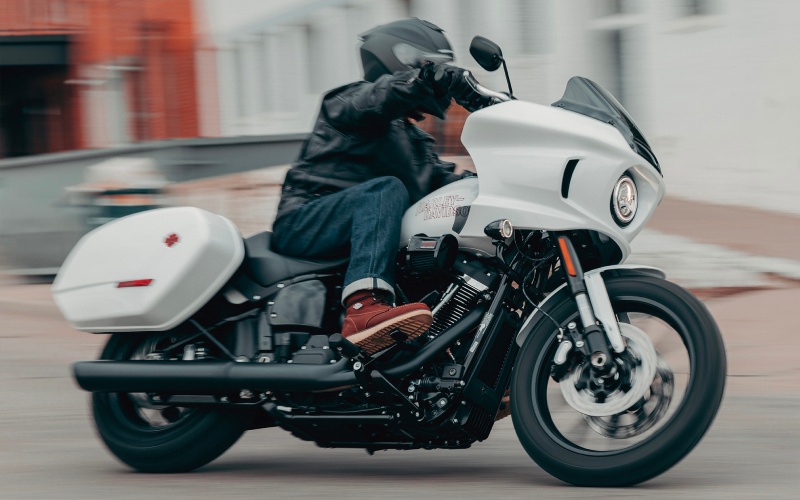
Lancaster Harley-Davidson® - Do the Cornering Rider Safety Enhancements on the 2026 Harley-Davidson® Low Rider® ST make a real difference around Lancaster, PA?
Riders considering the 2026 Harley-Davidson® Low Rider® ST often want to understand how the Cornering Rider Safety Enhancements translate to confidence on actual Pennsylvania roads. Between roundabouts, off-camber neighborhood turns, and quick transitions from city streets to country twisties, having technology that supports traction and stability while leaned can be a genuine advantage around Lancaster, PA.
What the Cornering Rider Safety Enhancements include
Harley-Davidson’s Rider Safety Enhancements are designed to help the motorcycle manage traction during acceleration, braking, and deceleration. On the Low Rider® ST, the Cornering Enhanced elements include C-ABS, C-TCS, and C-DSCS. These systems refine intervention while the motorcycle is leaned, supporting smoother control when you are on the edge of the tire. Paired with ABS, TCS, DSCS, and TPMS, the package is tuned to be unobtrusive until it is needed.
In practical terms, that means braking inputs remain more stable in a mid-corner correction, throttle application is moderated to reduce excessive spin if grip thins out, and engine-braking effects are managed to help prevent rear wheel hop or slide during aggressive downshifts on sketchy pavement. On imperfect surfaces or variable grip zones, the systems aim to support the line you chose rather than forcing a sudden stand-up or unexpected chatter.
How it helps on local roads
Lancaster County riding often involves quick transitions between town streets, shaded farm lanes, and curvy stretches near open fields. You can encounter gravel at intersections, blacktop seams mid-corner, and variable crosswinds. The Low Rider® ST’s Cornering Enhanced Anti-lock Brake System works to help maintain composure during mid-corner braking. Cornering Enhanced Traction Control assists when throttle roll-on meets a slick patch, while Cornering Drag-Torque Slip Control helps stabilize the chassis if you downshift a bit early on a downhill tight turn.
Because the 43 mm inverted fork and hidden monoshock already provide solid feedback and stability, these electronic aids act like a safety net rather than a limiter. The result is more consistent confidence during the exact type of everyday cornering that makes local rides engaging.
Ride Modes, the 4-inch display, and setup tips
Selectable Ride Modes let you match throttle response and traction thresholds to conditions. If you are adapting to new tires or wet roads, choose a more conservative mode and build feel. For dry backroads with smooth surfaces, a more direct response can make the Milwaukee-Eight® 117 High Output shine. The 4-inch gauge consolidates essentials like ride mode, gear position, range, and TPMS alerts so you can make quick checks without digging into menus. Keep tire pressures within spec, adjust rear shock preload to match your weight and cargo in the saddlebags, and the chassis will reward precise inputs.
What experienced riders still control
These systems are not a substitute for technique, vision, and proper inputs. Smooth roll-off before a corner, smart downshifts, and balanced throttle through the apex still matter. What the Cornering Rider Safety Enhancements do is move the odds in your favor when the surface or situation is not ideal, and that is often exactly when riders appreciate an assist. Set up correctly, the Low Rider® ST remains your bike, your line, your inputs, with a layer of well-calibrated support in reserve.
- Confidence in varied grip conditions without dulling feedback
- Support for mid-corner adjustments on real-world surfaces
- TPMS visibility to keep tires in the sweet spot
- Ride Modes that align engine character with your route
- Integration that feels helpful, not intrusive
Who benefits most
Riders who regularly carve mixed routes or commute across town and countryside will see the most value. If your daily ride includes traffic circles, uneven surfaces, or unexpected debris, having cornering-aware systems is meaningful peace of mind. Weekend riders who push a bit harder on familiar backroads will appreciate how the aids stay in the background until grip gets patchy. The FXRT-inspired fairing and supportive solo seat let you stay focused, and the 2-into-1 exhaust and Heavy Breather intake keep the power on tap when it is time to merge or pass.
Frequently Asked Questions:
Will I feel the Cornering Rider Safety Enhancements while riding normally?
Under normal traction and smooth inputs, most riders report that the systems stay out of the way. You will primarily notice them when grip drops or when you make a mid-corner correction that would otherwise unsettle the chassis.
Do Ride Modes change suspension settings on the Low Rider® ST?
No. Ride Modes adjust engine response and traction thresholds. Suspension is set mechanically with the fork and the hidden monoshock, including hydraulic preload adjustment at the rear. Tuning sag and preload for your weight and luggage is the key step.
What role does TPMS play in cornering confidence?
Correct tire pressure is fundamental to grip and feedback. TPMS alerts you to low or high pressure, helping you keep the Michelin Scorcher 31 tires in their optimal range for stability and traction.
Is this all compatible with spirited riding?
Yes. The Low Rider® ST’s calibration aims to support your line and throttle intentions rather than override them. It is a performance-first platform, and the aids are there to help when conditions stray from ideal. Lancaster Harley-Davidson® can help you choose mode settings that align with your style.
If you are mapping out your next motorcycle and want performance with modern support systems, this platform checks both boxes. With a chassis that communicates and a powertrain that hits hard through the midrange, the technology remains the quiet partner in the background, ready when you need it. Our team is serving Lancaster, Harrisburg, and York riders who want a setup that balances agility, comfort, and control across familiar Pennsylvania routes.